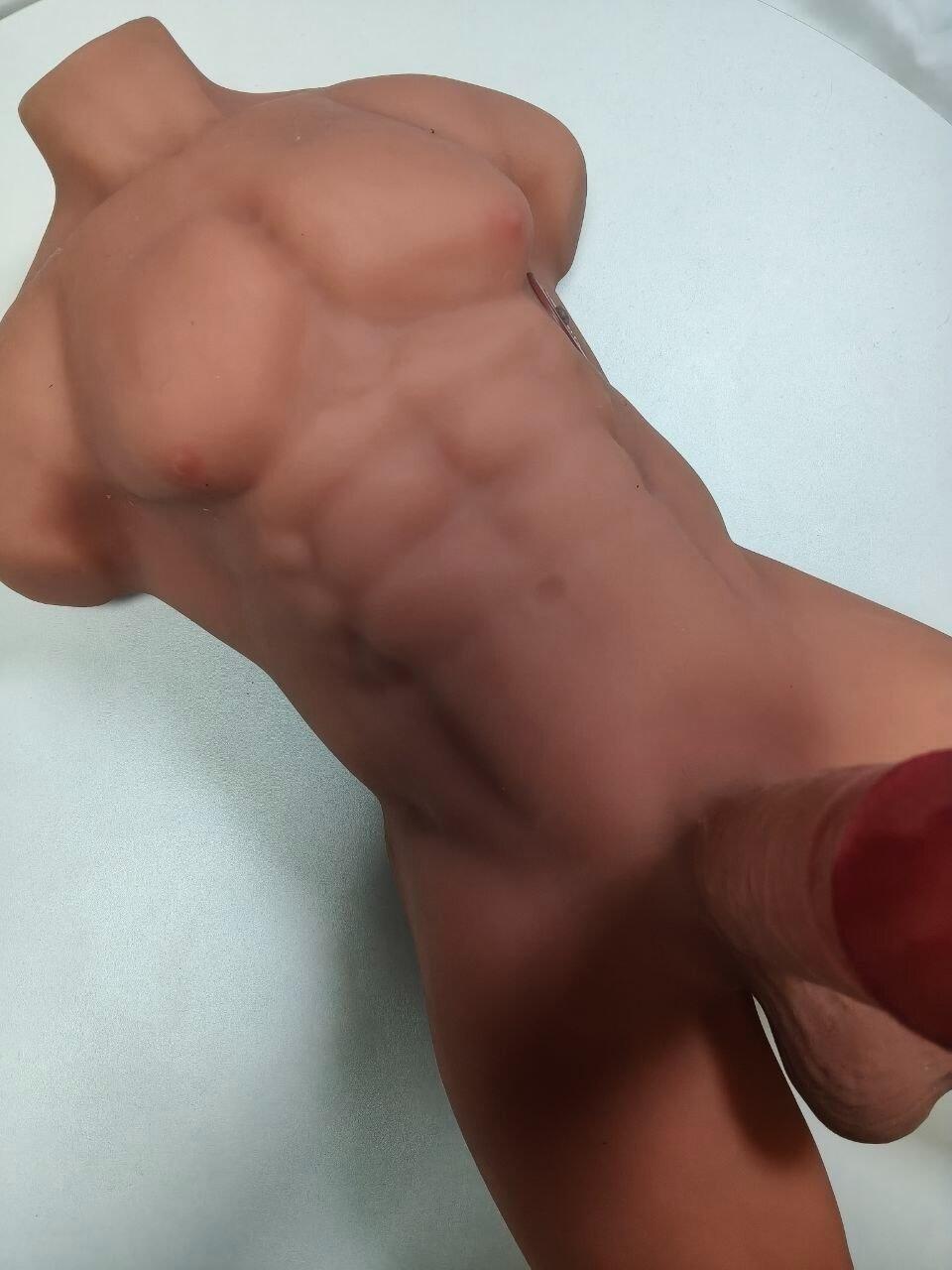
Curiosity about tactile sensations drives many people to wonder what a sex doll feels like before making a significant investment. Modern sex dolls have evolved dramatically from their inflatable predecessors, incorporating advanced materials that attempt to replicate human skin texture, flexibility, and warmth. Understanding the actual physical experience helps set realistic expectations while appreciating the engineering innovations that distinguish premium products from basic models. The sensory experience encompasses multiple dimensions beyond simple touch, including temperature, weight distribution, and material response to pressure.
Material science has transformed the sex doll industry over the past two decades, with manufacturers investing heavily in developing compounds that mimic biological tissue properties. The two dominant materials—thermoplastic elastomer (TPE) and silicone—each offer distinct tactile characteristics that influence the overall sensation. Beyond material composition, factors like internal skeleton design, surface finishing techniques, and optional heating systems contribute to creating experiences that approach human-like qualities while maintaining their own unique characteristics.

According to leading manufacturer RealDoll, "Our proprietary silicone formulation took years to develop, focusing on achieving the precise balance between softness, durability, and realistic give. The material must compress naturally under pressure while returning to its original shape, mimicking how human tissue responds to touch. Temperature responsiveness was equally critical—the material needed to accept and retain body heat effectively."
What Does a Sex Doll Feel Like When You Touch the Skin Surface?
Running your hand across a quality sex doll's surface reveals immediate differences from human skin, though the gap has narrowed considerably with modern materials. TPE dolls typically offer a softer, slightly tackier sensation compared to silicone alternatives, which tend toward smoother, more resilient surfaces. Neither perfectly replicates human skin's complex microstructure—the subtle variations in thickness, natural oils, pores, and hair follicles that create authentic biological texture—but both materials achieve convincing approximations that satisfy most users seeking realistic tactile feedback.

Pressure response distinguishes premium dolls from basic models more than any other single factor. When you press gently against high-quality TPE or silicone, the material yields gradually, creating a soft depression that slowly rebounds when pressure releases. This behavior mimics subcutaneous fat and muscle tissue response, though without the warmth and subtle muscle tone present in living bodies. Lower-quality materials often feel either too firm (like pressing against a mannequin) or excessively soft (collapsing without appropriate resistance), breaking the illusion of realism through unrealistic physical feedback.
-
TPE surfaces feel softer and more yielding, often described as having a slight "tackiness" requiring powder maintenance
-
Silicone provides smoother, more resilient surfaces with less maintenance but slightly firmer compression response
-
Premium materials exhibit realistic "give" when pressed, slowly returning to original shape like human tissue
-
Surface temperature at room conditions typically feels cool initially, similar to touching someone who's been outside
-
Texture varies across body areas on quality dolls—faces feel firmer while breasts and buttocks offer more give
Skin texture simulation extends beyond general softness to include deliberate surface variations that enhance realism. Manufacturers incorporate subtle details like wrinkles on knuckles and elbows, slight texture variations suggesting pores, and even visible vein patterns beneath semi-translucent outer layers on premium models. These features primarily affect visual perception, but they contribute to the overall tactile experience by providing subtle topographical variations your fingertips detect during exploration. The psychological impact of these details shouldn't be underestimated—seeing realistic surface features enhances the brain's interpretation of touch sensations.
Temperature plays a crucial role in what a sex doll feels like during initial contact. At room temperature (around 68-72°F or 20-22°C), both TPE and silicone feel noticeably cooler than human skin, which maintains approximately 91°F (33°C) surface temperature. This coolness immediately signals "not human" to your tactile senses, though the material warms gradually through contact with your body heat. Some users find the initial coolness refreshing, while others consider it the primary detractor from realistic sensation. This temperature gap drives demand for heating systems that address one of the most significant sensory differences between dolls and human partners.
How Does Weight and Body Flexibility Affect What a Sex Doll Feels Like?
Lifting or repositioning a sex doll provides immediate awareness of weight distribution that differs markedly from human bodies. Full-size dolls typically weigh between 65-115 pounds (30-52 kg) depending on height and build, with the weight feeling denser and less naturally distributed than a human of equivalent size. Unlike living people whose muscles provide internal support and controlled movement, dolls rely entirely on metal skeleton frameworks surrounded by soft materials, creating a sensation of lifting a heavy, flexible object rather than a responsive body.

Movement characteristics reveal themselves most clearly during positioning and interaction. While quality dolls feature articulated skeletons allowing realistic pose adjustments, the joints provide resistance different from human muscle tone and flexibility. Bending a doll's arm or leg requires conscious effort to overcome joint resistance, and positioned limbs stay exactly where placed without the micro-adjustments living bodies make constantly. This static quality means what a sex doll feels like during interaction involves working with an accommodating but ultimately passive form rather than engaging with responsive resistance and participation.
Industry expert and materials consultant Dr. Sarah Chen explains, "The weight challenge in sex doll design involves balancing realism with practicality. Making dolls too light sacrifices the substantial feel users associate with human bodies, but excessive weight creates handling difficulties that diminish user experience. Current materials can't replicate how human tissue distributes weight—our bones provide rigid structure while muscles and fat create soft, adaptive cushioning. Dolls approximate this with rigid skeletons and uniform soft materials, resulting in distinct but not necessarily unpleasant weight distribution."
-
Full-size dolls feel significantly heavier than they appear, with weight concentrated along the rigid internal skeleton
-
Torso dolls areas feel densest due to skeleton concentration and material volume needed for realistic proportions
-
Limbs provide less resistance than human counterparts, lacking muscle tone that creates natural tension
-
Positioned limbs remain exactly where placed without drift or micro-adjustments of living bodies
-
Joint articulation allows realistic positioning but with mechanical resistance distinct from human flexibility
-
Breast and buttock areas compress realistically under body weight but don't redistribute like living tissue
Handling practicality impacts the overall experience significantly, though often overlooked before purchase. Moving a full-size doll from storage to bed, adjusting positions during use, and returning it to storage afterward requires considerable physical effort. Users with mobility limitations or those living in multi-story homes without ground-floor privacy may find the weight factor significantly affects usability. This reality makes torso-only models or lighter alternatives appealing for users prioritizing ease of handling over full-body realism.
Flexibility varies considerably between budget and premium models, affecting what a sex doll feels like during interaction. High-quality dolls feature sophisticated skeleton systems with joints at shoulders, elbows, wrists, hips, knees, and ankles, allowing natural human positioning. These joints typically offer 360-degree rotation at some points while providing realistic range limitations at others—you can't bend a quality doll's knee backward, for instance. Lower-end models may have simplified skeletons with fewer articulation points, limiting positioning options and making the doll feel more mannequin-like during use.
What Does Temperature Control Change About How a Sex Doll Feels Like?
Integrated heating systems represent one of the most significant technological advances affecting what a sex doll feels like, addressing the coolness that otherwise immediately distinguishes synthetic materials from human warmth. Modern heating options range from basic electric blanket-style external warmers to sophisticated internal heating rods that warm the doll's core, creating temperature distribution that approximates how human bodies feel during intimate contact. The difference between room-temperature and heated dolls is dramatic—users consistently report that warmth transforms the experience from obviously artificial to surprisingly convincing.

Internal heating systems work by installing heating elements within the doll's torso cavity, warming the material from inside out over 15-30 minutes of preheating. These systems typically maintain temperatures between 95-98°F (35-37°C), slightly above normal human skin temperature to compensate for inevitable heat loss. The warmth radiates outward through the material, creating depth to the temperature sensation rather than just surface warmth. When you touch or embrace a properly heated doll, the material yields warmth that intensifies with deeper pressure, mimicking how human tissue feels warmer when compressed against underlying blood flow.
According to WM Dolls' technical specifications, "Our integrated heating system uses multiple heating zones to create realistic temperature distribution. The torso maintains higher core temperatures while extremities remain slightly cooler, replicating how human bodies actually distribute heat. This attention to thermal realism significantly enhances the tactile experience, with 89% of users reporting that heating features crucially impact their satisfaction with the product."
-
Unheated dolls at room temperature feel noticeably cool to touch, immediately signaling artificial materials
-
Internal heating systems require 15-30 minutes preheating time before reaching optimal temperature
-
Heated dolls maintain warmth for 30-60 minutes after power disconnection depending on ambient temperature
-
Temperature control systems typically offer adjustable settings between 95-104°F (35-40°C)
-
Multiple heating zones in premium models create realistic temperature variations across body areas
-
External heating blankets provide simpler, less expensive alternatives but without the depth of internal systems
Temperature retention varies based on material type, with silicone generally holding heat longer than TPE due to different thermal properties. Once heated, silicone dolls may stay warm for 45-60 minutes in typical room conditions, while TPE models cool more quickly, often within 30-40 minutes. Ambient temperature significantly affects retention—dolls cool faster in air-conditioned rooms compared to warmer environments. Users report that even brief heating dramatically improves the experience, making the initial 20-30 minutes of warmth worth the preheating investment.
Safety considerations accompany heating systems, requiring attention to prevent material damage or user injury. Overheating damages both TPE and silicone, potentially causing material breakdown, discoloration, or permanent deformation. Quality heating systems include automatic shutoffs and temperature limiters preventing excessive heat, but users must still follow manufacturer guidelines carefully. Never use external heat sources like hair dryers, heating pads set to maximum, or hot water, as localized extreme heat can melt or warp materials irreparably. The patience required for proper preheating pays dividends in both safety and optimal material performance.
How Do Internal Textures Influence What a Sex Doll Feels Like During Use?
Beyond external skin simulation, internal textures dramatically affect what a sex doll feels like during intimate use. Manufacturers invest substantial research into creating internal canal designs that provide realistic friction, suction, and stimulation through carefully engineered patterns of ridges, nodes, and chambers. These textures transform the experience from simple penetration into something approaching the varied sensations of human anatomy, though with their own distinct characteristics that don't perfectly replicate but effectively stimulate.

Material softness in internal areas typically exceeds external body softness, creating yielding passages that compress around insertion while maintaining enough structure to provide friction and resistance. The balance requires precision—too soft and the passages collapse without adequate stimulation, too firm and they feel unrealistic or uncomfortable. Premium manufacturers use varying durometer (material hardness) measurements throughout the doll, with softer compounds in internal areas to maximize realistic give while maintaining structural integrity in external and skeletal regions.
-
Internal passages feature textured patterns designed to provide varied stimulation during use
-
Material softness in intimate areas exceeds external body softness for realistic yielding sensation
-
Removable inserts in some models allow texture customization and simplified cleaning
-
Suction effects occur naturally through air displacement in properly designed passages
-
Temperature affects internal sensation dramatically—heated passages feel significantly more realistic
-
Lubrication requirements differ between TPE and silicone, affecting friction and sensation
Lubrication transforms internal sensation substantially, making proper lubricant selection crucial for optimal experience. Water-based lubricants work with all doll materials and most closely approximate natural lubrication, though they dry more quickly requiring reapplication. Silicone-based lubricants last longer and create intensely slippery sensations but cannot be used with silicone dolls as they can degrade the material. The slickness level you prefer becomes personal—some users appreciate minimal friction while others prefer more tactile feedback requiring less lubricant or thicker formulations.
Suction and air displacement contribute significantly to sensation during use. Well-designed internal structures create natural vacuum effects as air is displaced during penetration, generating suction that enhances stimulation and creates more realistic feedback. Some models incorporate air chambers or venting systems that allow controlled air flow, preventing uncomfortable suction buildup while maintaining pleasant negative pressure effects. These engineering details separate premium experiences from basic models where internal design receives less sophisticated attention.
What Maintenance Factors Affect Long-Term Feel of Sex Dolls?
Over time, what a sex doll feels like evolves based on maintenance quality and usage patterns. Proper care preserves material properties that determine tactile sensation, while neglect accelerates degradation that makes materials feel increasingly artificial, sticky, or unpleasant. Understanding maintenance requirements before purchase helps set realistic expectations about the care commitment required to maintain optimal feel throughout the product's lifespan, typically 2-5 years with diligent maintenance.

Material breakdown occurs gradually through exposure to oils, improper cleaning products, temperature extremes, and mechanical stress. TPE particularly vulnerable to oil absorption, which causes material softening and eventual tackiness that no amount of powder fully corrects. Silicone resists oil better but can develop tears at stress points if positioned aggressively or stored improperly. Both materials lose some elasticity over time, developing permanent compression marks in frequently contacted areas—buttocks and breasts often show first signs of material fatigue from repeated pressure during storage and use.
Materials engineer James Liu, who consults for several doll manufacturers, explains: "Both TPE and silicone undergo inevitable degradation through use and aging. The polymer chains that give these materials their elastic properties break down through mechanical stress, UV exposure, and chemical interactions. Proper maintenance slows but cannot stop this process. Users should expect gradual changes in material feel over the product's lifetime—the key is maximizing the plateau period where changes remain minimal through conscientious care."
-
Regular powder application maintains TPE's soft, non-tacky surface feel between cleaning sessions
-
Thorough cleaning after each use prevents material degradation from trapped oils and bacteria
-
Proper storage positioning prevents permanent compression marks and material stress
-
Temperature-controlled storage away from heat sources preserves material properties longest
-
Periodic material conditioning treatments can restore softness and prevent excessive drying
-
Joint maintenance ensures continued smooth movement without degrading surrounding material
Storage practices profoundly impact long-term material feel. Hanging storage using shoulder hooks distributes weight naturally and prevents compression marks, though requires adequate ceiling height and sturdy mounting. Laying flat on padded surfaces works if you rotate position regularly to prevent persistent pressure on any single area. The worst approach involves leaving the doll in seated or compressed positions long-term, which creates permanent indentations that never fully rebound. Climate-controlled storage at moderate temperatures (65-75°F/18-24°C) with low humidity preserves materials optimally.
Repair and restoration options exist for addressing material degradation, though results vary. Small tears can be repaired using manufacturer-supplied adhesive kits, though repaired areas often feel slightly different from surrounding material. Staining from clothing dye or improper lubricants sometimes responds to specialized stain removers, though stubborn discoloration may remain permanent. Some companies offer professional refurbishment services that strip, refinish, and re-powder surfaces, extending product life when structural integrity remains sound but surface feel has deteriorated. These services typically cost 20-40% of original purchase price, making them economical alternatives to complete replacement.
Frequently Asked Questions About Sex Doll
Does a sex doll feel like real skin?
Modern sex dolls approximate real skin feel but don't perfectly replicate it. High-quality TPE and silicone provide soft, yielding surfaces that compress realistically under pressure and warm to body temperature. However, they lack the complex microstructure of human skin—natural oils, pores, fine hair, and slight texture variations. The feel is distinctly "skin-like" rather than identical to human skin, with material differences most apparent in temperature (dolls start cool) and subtle texture. Most users find the approximation satisfying despite recognizing the differences.
How does temperature affect what a sex doll feels like?
Temperature dramatically impacts sensation—potentially the single most significant factor. At room temperature, dolls feel noticeably cool to touch, immediately signaling artificial materials. Heating systems that bring the doll to body temperature (95-98°F/35-37°C) transform the experience, making the material feel substantially more realistic. Heated dolls retain warmth for 30-60 minutes depending on material and ambient temperature. The difference between unheated and properly heated dolls is consistently cited as the most impactful enhancement to realistic feel.
Which feels more realistic, TPE or silicone sex dolls?
Both materials offer realistic sensations with different characteristics. TPE generally feels softer and more yielding, with a slight tackiness that some find more skin-like. Silicone provides smoother, more resilient surfaces with better durability and easier maintenance. TPE typically offers superior softness at lower price points, while premium silicone can achieve remarkably realistic feel with better longevity. The "best" choice depends on personal preference—many users prefer TPE's initial softness despite higher maintenance, while others value silicone's durability and smooth texture.
Do sex dolls feel heavy and difficult to move?
Full-size dolls weigh 65-115 pounds (30-52kg) and feel heavier than they appear due to dense material and metal skeletons. Moving and positioning requires significant physical effort, with weight concentrated in the torso. Unlike human partners, dolls cannot assist with positioning or weight distribution. Many users find the weight challenging initially but adapt with practice. Torso-only models or lighter dolls offer easier handling for users concerned about weight, though they sacrifice full-body realism.
How long does a sex doll maintain its realistic feel?
With proper maintenance, dolls maintain optimal feel for 2-3 years, with gradual material changes becoming noticeable afterward. Lifespan ranges from 2-5 years depending on usage frequency and care quality. Material degradation includes loss of elasticity, surface tackiness (especially TPE), compression marks in frequently contacted areas, and potential discoloration. Regular cleaning, powder application, proper storage, and avoiding temperature extremes maximize material preservation. Most users report satisfaction throughout this lifespan before material changes warrant replacement.
Can you improve how a sex doll feels over time?
Several enhancements can improve feel: adding heating systems dramatically increases realism; using renewal powder maintains TPE surface texture; applying specialized conditioners can restore softness to aging materials; upgrading lubricants affects internal sensation significantly; and adding weighted elements can adjust movement characteristics. However, fundamental material properties cannot be changed—TPE will always feel distinct from silicone, and material degradation is inevitable. Focus on preservation through proper maintenance rather than expecting to fundamentally transform material characteristics after purchase.
Understanding what a sex doll feels like requires recognizing both the impressive technological achievements in material science and the inherent limitations of synthetic materials attempting to replicate biological tissue. The tactile experience offers genuine pleasure and satisfaction for many users while remaining distinctly different from human touch. Setting realistic expectations based on material properties, understanding the impact of features like heating systems, and committing to proper maintenance all contribute to maximizing satisfaction with these sophisticated but ultimately artificial companions.
The evolution continues as manufacturers refine materials, improve internal structures, and develop increasingly sophisticated heating and sensor systems. Future developments may narrow the gap between synthetic and biological sensations further, though perfection likely remains elusive. For current users, the question shifts from whether sex dolls feel exactly like humans—they don't—to whether they provide satisfying tactile experiences that justify the investment and maintenance commitment. For many, the answer is affirmative, particularly when approaching the purchase with informed expectations about capabilities and limitations rather than fantasies of perfect human replication.