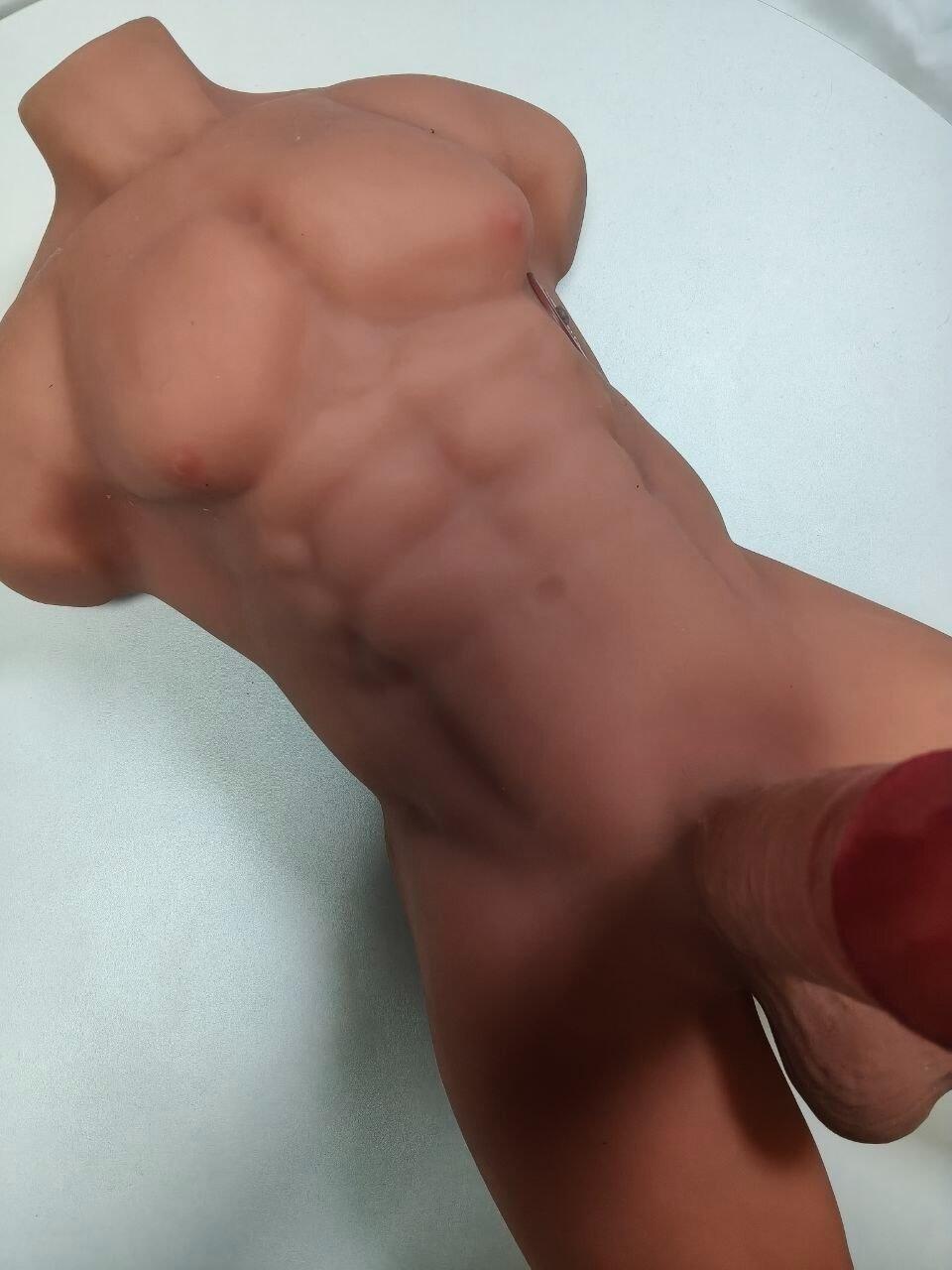
Learning to ride a dildo safely requires understanding proper positioning, maintaining balance, and developing body awareness throughout the experience. Whether exploring solo pleasure or partnered intimacy, riding a dildo safely demands knowledge about anatomy, equipment selection, and technique fundamentals. This comprehensive guide explores positioning strategies, balance maintenance, body awareness practices, and safety protocols that transform riding a dildo from potentially risky activity into a controlled, pleasurable, and injury-free intimate practice. Understanding these elements enables individuals and couples to maximize pleasure while minimizing injury risk and physical strain.

What Is Safe Dildo Riding and How Does Proper Positioning Impact the Experience?
Beginning with foundational understanding establishes context for safe dildo riding practice. Riding a dildo involves straddling a penetrative toy—typically mounted securely to a surface or held in a partner's hand—and controlling movement through leg and core muscles. Unlike passive penetration where a partner controls movement, riding a dildo places the receiving partner in the command position, enabling them to control depth, angle, pace, and intensity entirely. This fundamental difference creates both advantages for pleasure and specific safety considerations requiring attention.
Proper positioning fundamentally impacts safety, comfort, and pleasure during dildo riding. The receiving partner's position determines how weight distributes across joints, affects internal angle of penetration, and influences muscular engagement patterns. Poor positioning creates unnecessary strain on knees, hips, lower back, and ankle joints—areas already bearing significant weight and stress during riding activity. Conversely, optimal positioning distributes weight efficiently, reduces joint strain, and enables extended riding duration without pain or discomfort development.
Surface selection directly affects positioning options and safety. Riding a dildo mounted to a bed provides stability and allows the rider's legs to extend naturally, distributing weight through thighs and calves. Dildo mounts on chairs enable different angles and positioning variations. Riding a dildo held by a partner requires balance and leg strength entirely from the rider while allowing partner-controlled depth and angle adjustments. Each surface type presents distinct positioning considerations affecting how safely individuals can ride a dildo over extended periods.
"Safe dildo riding begins with selecting appropriate positioning that distributes weight efficiently while maintaining body alignment. Partners who understand positioning fundamentals can ride a dildo comfortably for extended periods while experiencing superior pleasure and minimal injury risk." — Dr. Rachel Thompson, Physical Therapy and Sexual Wellness Specialist
Understanding individual anatomical variation prevents forcing standardized positioning across diverse body types. Some individuals naturally present tighter hip flexion angles limiting how deeply they can ride comfortably, while others enjoy extended upright positions without strain. Recognizing these variations and adjusting positioning accordingly ensures safe, sustainable dildo riding regardless of body type or anatomy. Flexibility and adaptation create optimal experiences rather than forcing all participants into identical positioning.
How Can Riders Maintain Balance and Stability While Riding a Dildo Safely?
Developing balance skills transforms riding a dildo from precarious activity into controlled pleasure. Balance emerges from multiple factors including leg strength, core engagement, positioning stability, and equipment security. Riders who understand these elements and develop them systematically can ride a dildo safely for extended periods without losing control or experiencing falls that risk injury. Balance represents a learnable skill rather than inherent ability, meaning that anyone can develop safe dildo riding balance through intentional practice and technique refinement.
Leg strength provides the foundation for stable dildo riding. Strong quadriceps, hamstrings, glutes, and calf muscles enable riders to maintain upright positioning without excessive fatigue. Beginning riders sometimes discover they lack sufficient leg strength for extended riding, manifesting as shaking legs, inability to maintain consistent positioning, or falling forward or backward unexpectedly. Gradually building leg strength through squats, lunges, wall sits, and leg press exercises prepares bodies for sustained dildo riding without strain or loss of control.
Core engagement stabilizes the entire body during dildo riding movement. Strong abdominal muscles, obliques, and lower back muscles maintain neutral spine alignment regardless of movement direction or intensity. Poor core engagement causes excessive lower back arching, forward lean, or unstable torso positioning that strains joints and limits riding duration. Engaging core muscles throughout dildo riding—maintaining slightly tightened abdominal muscles throughout the movement—dramatically improves balance while reducing injury risk.
-
Leg Positioning Strategy: Placing feet flat on the ground or supporting surface creates stable base for weight distribution. Knees should align roughly with hips, neither excessively angled inward nor splayed outward. This natural alignment distributes forces efficiently through knee and hip joints without creating unnecessary strain.
-
Core Engagement Techniques: Activating core muscles before beginning dildo riding and maintaining engagement throughout improves balance dramatically. Breathing steadily while riding—avoiding breath holding that reduces core stability—enables sustained engagement throughout extended sessions.
-
Hand Support Usage: Using hands for balance on thighs, a partner's shoulders, or surrounding support surfaces provides stability without relying entirely on leg strength. Transitioning between hand support and unsupported riding gradually builds confidence as leg strength increases.
-
Consistent Rhythm Maintenance: Establishing consistent movement rhythm improves balance by eliminating sudden weight shifts. Regular, predictable movement allows bodies to anticipate and accommodate forces, preventing the imbalance created by jerky or irregular motion patterns.
"Maintaining safe balance while riding a dildo depends on leg strength, core engagement, and intentional breathing patterns. Riders who develop these elements systematically experience dramatically improved safety and pleasure simultaneously." — Dr. James Richardson, Athletic Training and Sexual Wellness
Equipment security fundamentally impacts balance safety. Dildo mounts must secure toys completely without wobbling, tilting, or shifting unexpectedly. Unstable equipment prevents safe balance development and creates genuine injury risk when toys move unexpectedly mid-session. Investing in quality mounting equipment, regularly testing stability before riding, and using backup support methods when equipment seems questionable prevents falls and injuries resulting from equipment failure during dildo riding.
What Body Awareness Practices Maximize Safety While Riding a Dildo?
Cultivating body awareness transforms dildo riding from mechanical activity into conscious, controlled intimate practice. Body awareness involves continuously monitoring physical sensations, recognizing tension patterns, noticing fatigue development, and responding appropriately to warning signals. Riders who develop robust body awareness immediately recognize when movement patterns become unsafe, when joints experience concerning strain, or when muscle fatigue approaches limits, enabling them to adjust positioning, slow pace, or stop activity before injuries develop.
Recognizing joint stress signals prevents common riding injuries. Knee pain during dildo riding frequently indicates misalignment—knees angling inward excessively, weight distributing unevenly across the joint, or positioning angles exceeding comfortable range. Hip discomfort sometimes signals excessive internal rotation or positioning angles straining hip ligaments. Lower back pain frequently indicates poor core engagement or excessive spinal arching. Ankle discomfort suggests weight imbalance or foot positioning that stresses the joint unnecessarily. Rather than dismissing these signals as normal discomfort, experienced riders respond by adjusting positioning immediately before pain escalates into injury.
Muscle fatigue awareness enables riders to distinguish between normal exertion fatigue and warning signs of overuse. Normal fatigue produces burning sensations in working muscles, slight shaking in leg muscles during extended effort, and progressive difficulty maintaining movement pace. These sensations typically disappear within hours after stopping activity. Conversely, sharp muscle cramping, sudden loss of muscular control, or pain that persists for hours after activity ceases indicates overuse requiring immediate cessation and potential medical evaluation. Developing sensitivity to these distinctions prevents injuries from pushing muscles beyond safe limits.
-
Joint Position Monitoring: Continuously assess knee, hip, and ankle positions throughout riding sessions. Notice when joints begin experiencing discomfort and adjust positioning before pain escalates. Most positioning adjustments involve slight repositioning of feet, knee angle, or hip rotation that immediately relieves joint stress.
-
Muscle Fatigue Assessment: Track muscle fatigue development in quadriceps, glutes, hamstrings, and calves. When muscles begin shaking noticeably or maintaining movement requires excessive effort, reduce pace or take breaks before fatigue causes loss of control and balance compromises.
-
Breathing Pattern Observation: Maintain steady breathing throughout dildo riding. Notice if breathing becomes shallow, rapid, or held, indicating excessive exertion. Returning to slow, deep breathing improves core engagement and overall stability while reducing physical strain.
-
Pain Signal Recognition: Distinguish between acceptable stretch sensations and pain requiring positioning adjustment or activity cessation. Any sharp pain, intense discomfort, or concerning sensations warrant immediate response rather than continued activity.
"Body awareness represents the most powerful safety tool available to dildo riders. Individuals who develop sensitivity to their bodies' signals rarely experience injuries because they respond to warning signs long before damage occurs." — Dr. Lisa Martinez, Somatic Awareness and Injury Prevention
Developing body awareness requires intentional practice and mindfulness during dildo riding sessions. Rather than allowing minds to wander toward fantasy or distraction, riders can enhance safety by maintaining present-moment awareness of physical sensations, movement patterns, and emerging fatigue or discomfort. This mindful approach simultaneously improves pleasure—as increased awareness amplifies sensation perception—while dramatically improving safety through earlier detection of potential problems.
How Should Riders Prepare Physically and Mentally Before Riding a Dildo Safely?
Establishing proper preparation routines enables safe, pleasurable dildo riding sessions. Physical and mental preparation directly impacts safety by increasing body readiness, improving flexibility, enhancing arousal and relaxation, and establishing psychological confidence. Individuals who skip preparation frequently experience poor balance, joint discomfort, reduced pleasure, and increased injury risk. Conversely, those who invest time in thorough preparation enjoy superior experiences while minimizing safety concerns.
Physical preparation begins with adequate warm-up addressing muscles and joints involved in riding. Gentle stretches targeting hip flexors, hamstrings, glutes, quadriceps, and calves prepare tissues for the demands of dildo riding. Five to ten minutes of light cardiovascular activity—walking, marching in place, or gentle movement—increases blood flow and body temperature, improving muscle pliability and joint mobility. This basic warm-up dramatically reduces injury risk while improving comfort during subsequent riding sessions.
Mental preparation establishes psychological conditions optimal for safe, pleasurable dildo riding. Practicing mindfulness, meditation, or simple breathing exercises calms the nervous system and reduces physical tension that often accompanies sexual activity initiation. Reviewing safety protocols mentally, visualizing successful riding experiences, and confirming equipment readiness builds confidence and reduces performance anxiety. Setting clear intentions about desired experience length, intensity level, and boundaries establishes mental frameworks guiding subsequent activity.
-
Physical Warm-Up Routine: Perform five to ten minutes of gentle stretching and light cardiovascular activity. Target hip flexors, hamstrings, glutes, and calves specifically. This preparation improves flexibility, increases blood flow, and reduces injury risk substantially.
-
Equipment Verification: Test dildo mounting security before beginning riding. Check that equipment remains stable under moderate pressure without shifting, wobbling, or tilting. Verify lubricant availability and suitability for intended activity.
-
Mental Grounding Practice: Spend several minutes on calming breathwork, meditation, or mindfulness practices. These techniques reduce physical tension, improve present-moment awareness, and establish psychological safety necessary for authentic pleasure and body sensitivity.
-
Boundary Setting: Mentally or verbally confirm intended session parameters—estimated duration, intensity preferences, safety signals, and any concerns requiring partner awareness. This mental preparation prevents misunderstandings and establishes shared expectations.
"Preparation time represents the most valuable investment riders can make toward safe, pleasurable experiences. Those who dedicate time to physical and mental preparation experience substantially improved outcomes regarding both safety and satisfaction." — Dr. Michael Chang, Sports Medicine and Sexual Wellness
Hydration and recovery considerations extend beyond single sessions toward overall safety and sustainability. Riding a dildo represents physical exertion comparable to moderate exercise, requiring adequate hydration both before and after activity. Recovery involves allowing muscles adequate rest between intense riding sessions, typically 24 to 48 hours before repeating vigorous activity in identical muscle groups. This recovery timeline prevents overuse injuries and allows tissues to adapt progressively to new demands.
What Common Mistakes Should Riders Avoid When Learning to Ride a Dildo?
Recognizing common mistakes prevents many injuries and improves early riding experiences. Beginners frequently make predictable errors that compromise safety despite best intentions. Understanding these mistakes and actively avoiding them accelerates the learning curve while preventing unnecessary discomfort or injury. Even experienced riders sometimes revert to unsafe patterns when fatigued or distracted, making ongoing awareness important regardless of skill level.
Neglecting preparation represents the most consequential mistake riders make. Skipping warm-ups, failing to verify equipment security, or jumping into vigorous riding without mental preparation dramatically increases injury risk while reducing pleasure. This shortcut mentality reflects unrealistic expectations about immediate proficiency—most activities require preparation time, and intimate riding represents no exception. Committing to consistent preparation yields exponential improvements in safety and satisfaction.
Ignoring pain or discomfort signals creates dangerous situations where minor problems escalate into significant injuries. Some riders push through joint discomfort expecting it to subside, when actually it indicates positioning problems solvable through simple adjustment. Others dismiss sharp pain as normal, continuing activity that damages tissues requiring extended recovery. Rather than adopting this attitude, experienced riders respond to pain immediately through positioning adjustment or activity cessation, protecting themselves from preventable injuries.
-
Inadequate Warm-Up Shortcut: Skipping stretching and warm-up activities increases injury risk substantially while reducing pleasure through compromised flexibility and arousal. Proper warm-up requires only 5-10 minutes yet dramatically improves safety and experience quality.
-
Positioning Rushing: Attempting advanced positioning variations before mastering fundamental techniques frequently causes joint strain and balance loss. Progressing gradually through positioning variations allows bodies to adapt while building confidence and skillfulness.
-
Equipment Neglect: Failing to verify equipment security before riding risks catastrophic falls when equipment fails mid-session. Regular equipment inspection and maintenance prevents unexpected failures that create genuine injury hazards.
-
Pace Escalation Excess: Increasing pace or intensity too rapidly causes fatigue that compromises balance and control. Moderate, sustainable pace enables longer sessions while maintaining safety throughout activity.
-
Fatigue Ignoring: Continuing to ride despite obvious muscle fatigue and balance loss increases injury risk exponentially. Recognizing fatigue signals and taking breaks preserves safety while extending total session duration through cumulative shorter intervals.
"Common mistakes in dildo riding typically reflect unrealistic expectations about immediate proficiency rather than fundamental inability. Riders who acknowledge the learning process, respect preparation timelines, and respond to warning signals dramatically improve outcomes." — Dr. Sarah Williams, Physical Education and Sexual Health
Comparing progress to others' experiences creates unhelpful pressure that sometimes drives unsafe choices. Every individual possesses unique anatomy, flexibility, leg strength, and balance capacity—variations that determine appropriate dildo riding approaches. Some riders quickly master techniques others require months to develop, yet both groups ultimately achieve proficiency through patient practice. Releasing comparison pressure enables focus on individual progress and developing personalized techniques matching individual bodies.
Frequently Asked Questions About Riding a Dildo Safely
The seated forward-facing position on a bed or chair provides optimal stability for beginners learning to ride a dildo. This position allows feet to contact supporting surfaces, distributes weight through legs and back, and enables hand support on the bed or partner if needed. As skill and confidence develop, riders can experiment with other positioning variations. Always prioritize stability and comfort over advanced positioning when beginning dildo riding practice.
Building leg strength through squats, lunges, wall sits, leg presses, and similar exercises dramatically improves dildo riding sustainability and safety. Bodyweight exercises performed 3-4 times weekly for 4-6 weeks significantly increase quadriceps, glute, and hamstring strength. This strength development enables longer riding sessions, better balance maintenance, and reduced fatigue-related injuries. Combine strength training with flexibility work for optimal results in supporting safe, sustained dildo riding.
Joint pain during dildo riding indicates positioning adjustment is needed. Stop movement immediately and assess your positioning—are knees properly aligned with hips, is your spine neutral, are you distributing weight evenly? Make small adjustments and resume gently if pain resolves. If pain persists despite positioning adjustments, cease riding activity and assess whether you need additional warm-up, stretching, or recovery time. Persistent pain after sessions suggests overuse requiring extended recovery before resuming riding.
Beginning riders should typically aim for 10-20 minute sessions allowing bodies to adapt to the physical demands of dildo riding. As leg strength improves and technique develops, session duration can extend to 30-45 minutes. Extended sessions exceeding an hour typically cause excessive fatigue compromising safety. Quality and technique matter more than duration—shorter sessions with excellent form prove safer and more pleasurable than prolonged sessions where fatigue compromises control and positioning.
Use abundant water-based, silicone-based, or hybrid lubricant during dildo riding to minimize friction and increase comfort. Reapply lubricant as needed throughout sessions to maintain adequate slip. Test lubricant compatibility with your specific dildo material to prevent degradation—some silicone-based lubricants damage silicone dildos. Apply lubricant generously before riding to ensure adequate slip, as insufficient lubrication increases friction and discomfort significantly.
Individuals with previous joint injuries should consult healthcare providers before beginning dildo riding practice. Depending on injury type and recovery status, modifications or careful progression may enable safe riding. Some previous injuries require specific warm-up modifications or positioning adjustments to avoid re-injury. Working with physical therapists experienced in sexual activity assessment can help determine safe approaches specific to individual injury histories.
Progress gradually through positioning variations, spending at least several sessions becoming comfortable with each position before advancing. Begin with stable seated positions, progress to variations allowing greater range of motion once balance and leg strength improve, and only attempt advanced positions once earlier techniques feel completely secure. This progressive approach builds confidence and skill while preventing the balance loss and injuries that accompany premature advancement to difficult positioning variations.
Mastering Safe Dildo Riding Through Deliberate Practice
Developing safe dildo riding skills requires commitment to progressive skill development, consistent application of safety principles, and willingness to respect individual body's capacity and limitations. Those who approach dildo riding as a learnable skill rather than intuitive ability discover that initial awkwardness transforms into embodied competence through patient practice. Balance develops, positioning becomes natural, body awareness deepens, and ultimately riding a dildo emerges as a fully integrated intimate capability.
Safety represents not a limitation preventing pleasure but rather the foundation enabling sustained, confident, intensely pleasurable dildo riding experiences. Prioritizing safe positioning, maintaining balance awareness, developing body sensitivity, preparing adequately before sessions, and avoiding common mistakes creates conditions where pleasure and safety emerge together rather than in opposition. These fundamental principles apply regardless of individual anatomy, experience level, or personal preferences—establishing non-negotiable foundations that enable every individual to discover their own authentic approach to safe, satisfying dildo riding.
"Safe dildo riding emerges through dedication to foundational principles, patient skill development, and genuine respect for individual body signals. Those committed to these practices consistently experience dramatic improvements in both safety and pleasure over time." — Dr. Jennifer Coleman, Sexual Wellness and Body Awareness
The journey toward skilled dildo riding ultimately becomes a journey of embodied self-knowledge, enhanced body awareness, and deepened intimate capacity. Each session teaches something new about movement patterns, positioning preferences, pleasure responses, and personal boundaries. This accumulated learning builds not just technical skill but also enhanced self-knowledge and authentic confidence in intimate practice. The safety practices and awareness discussed throughout this guide establish the foundation enabling this deeper journey toward genuine sexual wellness and authentic pleasure.
As you develop your own safe dildo riding practice, remember that every individual travels their own timeline toward skill development and confidence. Comparing your progress to others' journeys creates unnecessary pressure that sometimes drives unsafe choices. Instead, focus on consistent application of safety fundamentals, responsive adjustment to your body's signals, and genuine curiosity about your own pleasure and capacity. This personal, attentive approach transforms dildo riding from intimidating challenge into an increasingly satisfying, confidence-building intimate skill that enriches sexual wellness and authentic pleasure exploration.