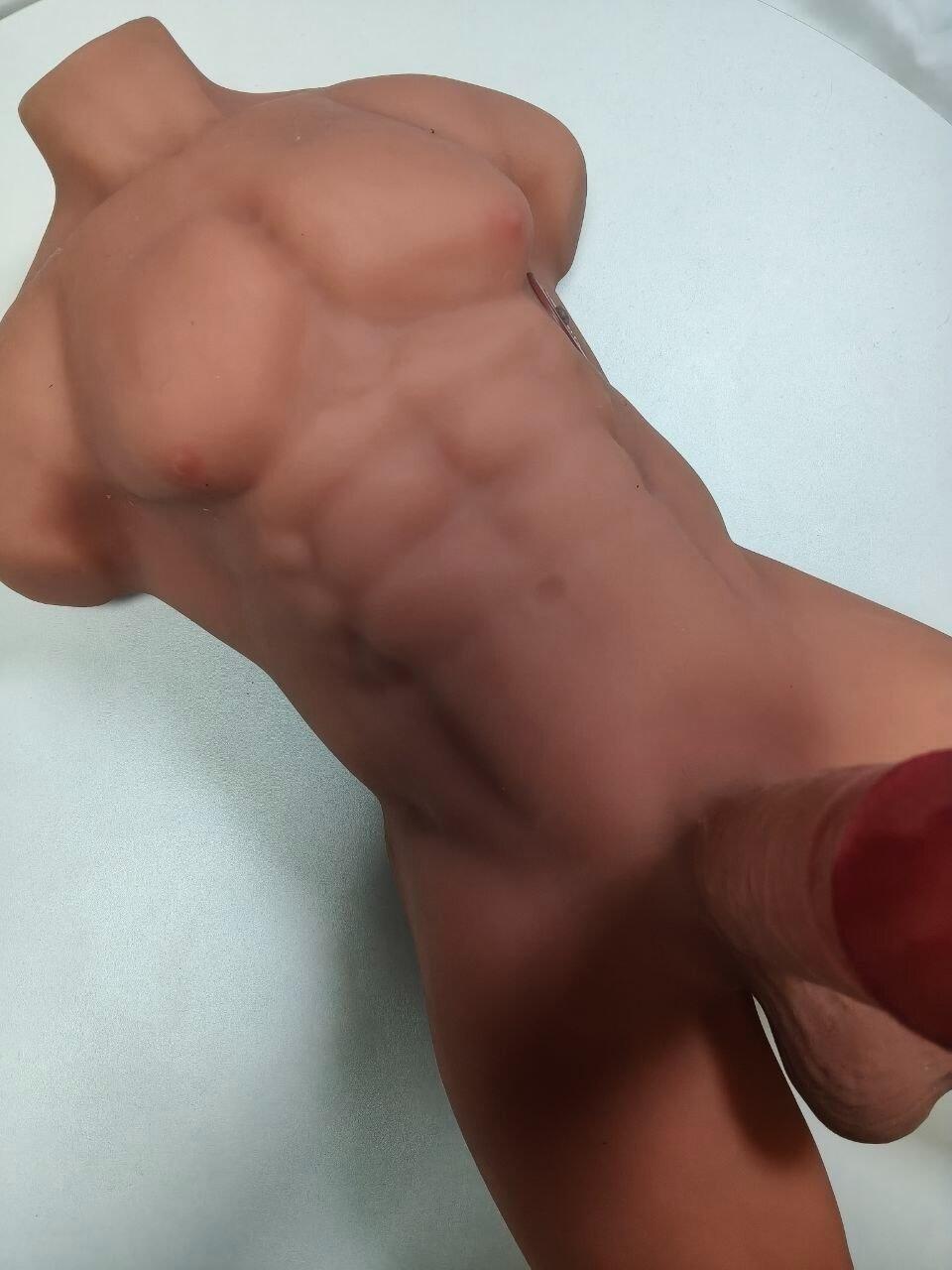
Temperature matters more than most people realize when it comes to enhancing realism and comfort with intimate dolls. Modern adult dolls made from TPE (thermoplastic elastomer) or silicone can feel cold to the touch at room temperature, which diminishes the overall experience. Understanding proper heating techniques not only improves satisfaction but also protects your investment from potential damage caused by improper temperature management.
Many owners discover that a warmed intimate doll provides a significantly more realistic tactile experience. The human body maintains an average surface temperature between 90-95°F (32-35°C), and replicating this warmth transforms synthetic materials into something that feels genuinely lifelike. However, achieving this requires careful consideration of heating methods, material properties, and safety protocols.
What Is the Safest Method to Heat an Intimate Doll?
Electric heating blankets designed specifically for adult dolls represent the gold standard for safe temperature elevation. These specialized blankets distribute heat evenly across the doll's surface without creating dangerous hot spots that could melt or deform synthetic materials. Unlike generic heating pads, doll-specific heating blankets maintain consistent temperatures between 95-104°F (35-40°C), mimicking natural body warmth without risking material degradation.

Manufacturers like RealDoll and WM Doll have developed proprietary heating systems that integrate directly into their products. These built-in heating elements use low-voltage electrical systems with automatic temperature regulation, eliminating guesswork from the warming process. The systems typically take 20-30 minutes to reach optimal temperature and include safety shut-off features that prevent overheating.
"Built-in heating systems are engineered specifically for the thermal properties of TPE and silicone materials. They provide controlled, even heating that external methods simply cannot match in terms of safety and effectiveness." — Technical Specifications, RealDoll Manufacturing Guide
For dolls without integrated heating, USB-powered heating pads offer a portable alternative. These devices connect to standard power banks and provide adjustable heat settings. The key advantage lies in their flexibility—you can position them strategically on specific body areas that matter most for your intended use. Always place a thin cloth barrier between the heating pad and the doll's skin to prevent direct contact that might cause surface damage.
Water-based warming techniques provide another viable option, though they require more preparation time. Filling a bathtub with warm water (not hot) between 95-100°F and submerging the doll for 15-20 minutes allows gradual, even heating throughout the entire structure. This method works particularly well for dolls with internal metal skeletons, as the metal conducts and retains heat effectively. After the water bath, thoroughly dry all surfaces and cavities to prevent moisture-related issues like mold growth or material deterioration.
- Electric heating blankets with temperature control offer the most consistent results
- Built-in heating systems provide automated safety features and optimal temperature distribution
- USB heating pads work well for targeted warming of specific areas
- Warm water baths allow for full-body heating but require careful drying afterward
- Always monitor temperature to avoid exceeding manufacturer recommendations
Temperature monitoring devices such as infrared thermometers help verify that heating methods maintain safe ranges. These affordable tools allow you to check surface temperatures at multiple points across the doll's body, ensuring even heat distribution without hot spots. Professional doll maintenance experts recommend taking readings at the chest, abdomen, and limb areas to confirm consistent warmth throughout.
How Long Does It Take to Properly Heat a Sex Doll?
Timing varies significantly based on the heating method selected and the doll's material composition. TPE dolls generally require 20-30 minutes with electric heating blankets to reach comfortable temperatures, while silicone models may need 30-45 minutes due to silicone's higher density and different thermal properties. Built-in heating systems typically achieve optimal warmth within 25-35 minutes, depending on ambient room temperature and the doll's starting temperature.
Water bath methods demand the most patience, usually requiring 15-20 minutes of submersion followed by an additional 10-15 minutes for complete drying. During colder months, when dolls stored in unheated spaces drop to lower ambient temperatures, heating times may extend by 10-15 minutes regardless of the method used. Planning ahead ensures the doll reaches comfortable temperatures when you're ready to use it.
"Gradual heating always outperforms rapid temperature elevation. Rushing the process by using excessive heat can compromise material integrity and create uneven temperature distribution." — Care Guidelines, WM Doll Official Documentation
Preheating strategies can reduce wait times significantly. Storing your intimate doll in a temperature-controlled environment (68-72°F) means shorter heating periods compared to keeping it in cold storage areas. Some owners use space heaters in dedicated storage rooms to maintain baseline warmth, cutting heating time by up to 40% when preparation begins.
Material thickness plays a crucial role in heating duration. Full-sized dolls with heavier TPE or silicone construction take longer to warm than smaller, lighter models. Torso-only dolls or mini dolls typically reach optimal temperature in 12-18 minutes with electric blankets, roughly half the time required for full-body dolls weighing 60+ pounds.
Can You Damage Your Doll by Using Incorrect Heating Methods?
Absolutely—improper heating represents one of the most common causes of premature material degradation in intimate dolls. Hair dryers, for instance, might seem convenient, but they concentrate intense heat in small areas, creating surface temperatures exceeding 150°F (65°C). This heat level causes TPE to become tacky and silicone to develop permanent discoloration. Within seconds of exposure, the material's molecular structure begins breaking down, leading to irreversible damage.
Heating pads without temperature regulation pose similar risks. Generic medical heating pads often reach 120-140°F (49-60°C), temperatures far exceeding what TPE and silicone can safely tolerate. Continuous exposure at these levels causes the material to soften excessively, lose its shape retention, and develop permanent indentations where the pad contacted the surface. The oil-like residue that appears on overheated TPE indicates molecular breakdown—a sign of irreversible damage.
Microwave heating, though occasionally mentioned in online forums, ranks among the most dangerous methods imaginable. Metal skeleton components in dolls can cause arcing and fires when exposed to microwave radiation. Even if the doll contained no metal, microwave energy heats materials unevenly, creating extreme temperature differentials that warp and melt synthetic materials. This method should never be attempted under any circumstances.
- Hair dryers concentrate excessive heat and cause surface melting within seconds
- Unregulated heating pads create hot spots that permanently deform materials
- Microwave heating poses fire risks and destroys material structure
- Direct sunlight exposure causes UV degradation and color fading over time
- Space heaters positioned too close create uneven heating and fire hazards
Chemical heating packs designed for muscle therapy generate temperatures through exothermic reactions that cannot be controlled or stopped once activated. These packs frequently exceed 130°F (54°C) and maintain elevated temperatures for hours, making them completely unsuitable for intimate doll warming. The chemical residues can also react with TPE and silicone, causing permanent staining and material weakening.
"We've analyzed hundreds of damaged dolls returned for warranty claims. Over 60% exhibited heat-related damage from improper warming techniques. Most of this damage was completely preventable with proper heating equipment." — Quality Assurance Report, Sino Doll Manufacturing
What Temperature Should an Intimate Doll Reach?
Manufacturers universally recommend maintaining intimate doll surface temperatures between 95-104°F (35-40°C) for optimal realism and material safety. This range closely approximates human skin temperature, which typically measures 90-95°F on external surfaces. Exceeding 110°F (43°C) risks material damage, while temperatures below 90°F (32°C) feel noticeably cold and reduce the realistic experience.
Different body areas retain heat at varying rates due to thickness variations and proximity to metal skeletal components. Torso areas with substantial material mass hold warmth longer than extremities like hands and feet. When checking temperatures, focus measurements on high-contact areas like the chest, abdomen, and thighs—these zones matter most for realistic tactile sensation.
Silicone dolls tolerate slightly higher temperatures than TPE counterparts due to silicone's superior heat resistance. While TPE begins softening noticeably around 105-110°F (40-43°C), medical-grade silicone maintains structural integrity up to 120°F (49°C). However, staying within the 95-104°F range provides safety margins regardless of material type and ensures comfortable temperatures upon contact.
Individual preference plays a role in ideal temperature selection within the safe range. Some users prefer the lower end (95-98°F) for a more subtle warmth, while others favor the upper range (100-104°F) for maximum realism. Experimentation helps determine personal preferences, but always prioritize material safety over marginal increases in warmth perception.
Are There Built-In Heating Options for Sex Dolls?
Premium manufacturers now offer sophisticated integrated heating systems as standard or optional features. These systems consist of flexible heating elements embedded within the doll's torso and sometimes extending into the limbs. The heating wires connect to external power supplies that regulate temperature automatically, maintaining consistent warmth without manual monitoring. High-end models from brands like Doll Sweet and Sanhui Doll include dual-zone heating that allows independent temperature control for the torso and genital area.

Installation of built-in heating typically occurs during manufacturing, with heating elements positioned strategically to avoid interference with the metal skeleton. The systems run on low voltage (12-24V) for safety and draw minimal power—most consume less than 50 watts, roughly equivalent to a laptop charger. Wireless options have emerged recently, using rechargeable battery packs that provide 2-4 hours of heating per charge.
"Integrated heating systems represent the future of intimate doll technology. They eliminate external equipment, reduce heating time by 30-40%, and provide consistently superior temperature distribution compared to any external heating method." — Product Innovation Team, Doll Sweet Technologies
Retrofit heating kits allow owners to add heating capabilities to dolls that didn't originally include them. These aftermarket solutions require careful installation to avoid damaging the doll's structure. Professional installation services exist specifically for this purpose, though experienced hobbyists with electrical knowledge can perform installations themselves using detailed guides provided by kit manufacturers.
- Built-in systems heat dolls 30-40% faster than external methods
- Automatic temperature regulation prevents overheating and material damage
- Dual-zone controls allow customized heating for different body areas
- Low-voltage operation ensures electrical safety during use
- Retrofit kits enable heating upgrades for older doll models
Maintenance requirements for integrated heating systems remain minimal. Annual inspections of wire connections and heating element continuity help ensure long-term reliability. Most manufacturers provide 1-2 year warranties on heating components, with replacement parts readily available. The systems typically last 5-7 years with regular use before requiring component replacement.
Frequently Asked Questions About Safe Sex Doll Heating
Q: Is it possible to heat a budget sex doll safely?
Heating budget dolls carries substantially higher risks because manufacturers often don't disclose material composition, and cheaper materials have lower heat tolerances. These dolls may leach more chemicals when heated, discolor easily, or degrade rapidly. If you own a budget doll, the safest approach involves minimal or no heating, keeping temperatures well below 35°C if you attempt it at all. Consider upgrading to quality dolls if heating is important to your experience—the investment protects both safety and product durability.
Q: Can I heat a sex doll in a microwave?
Never heat a sex doll in a microwave. Microwave radiation causes rapid, uneven heating that creates extreme temperature spikes inside the doll material. This can cause material breakdown, chemical activation, and potential fire hazards. The same applies to ovens or other extreme heating methods. These approaches represent the primary cause of doll heating injuries and damage. Stick exclusively to methods specifically designed for doll warming.
Q: How do I know if my doll is overheating during warming?
Overheating typically produces warning signs: unusual odors (chemical or burning), visible discoloration, material becoming unusually soft or sticky, or steam/moisture inside the doll. If you notice any of these signs, immediately stop heating and allow the doll to cool. These warning signs indicate that temperature has exceeded safe limits. If overheating occurs, discontinue heating for several days to allow the material to stabilize, and reassess your heating method for future sessions.
Q: Is an infrared thermometer necessary for safe doll heating?
Yes, temperature monitoring is genuinely critical for safe heating. Without a thermometer, you're guessing at internal temperature, which creates unnecessary risk. Non-contact infrared thermometers ($15-30) allow quick temperature checks without invasively probing the doll. Some premium heating rods include built-in displays, eliminating the need for separate thermometers. The small investment in temperature monitoring eliminates most heating risks by enabling real-time safety assurance.
Q: Can I use a heating blanket directly against the doll's skin?
Heating blankets can work for surface warming but create burn risk and uneven temperature distribution when placed directly against doll material. Wrapping the blanket in towels or cloth creates a buffer that prevents surface damage while allowing gentle warming. Alternatively, placing the heating blanket on a surface beneath the doll distributes heat more evenly. Always keep the doll's exterior from contacting direct heat sources; use gradual methods that allow slow temperature increase rather than concentrated heat zones.
Q: How often can I safely heat my sex doll?
Quality dolls can tolerate regular heating—even daily if conducted properly. However, limiting heating to 3-4 times weekly with 45-minute maximum duration per session provides the best balance between user satisfaction and long-term material preservation. Excessive frequent heating accumulates material stress even within safe temperature ranges. Regular maintenance breaks (several days of no heating weekly) allow material recovery and prolong overall doll lifespan while continuing to provide warming benefits when desired.
Q: What's the difference between body-safe and non-body-safe heating devices?
Body-safe heating devices undergo rigorous testing for electrical safety, temperature control accuracy, and material compatibility with doll materials. Non-certified devices lack these safety assurances and may present electrical hazards, uncontrollable temperature spikes, or material incompatibility issues. When selecting heating devices, prioritize those specifically designed for sex dolls or certified for intimate product use. The cost difference is minimal compared to the safety benefits of properly engineered heating solutions.
Q: Can humidity or moisture damage a doll during heating?
Yes, internal moisture combined with heat creates conditions where bacteria and mold growth becomes possible. When heating internally (using rods or inserts), ensure the doll's interior is completely dry beforehand. After heating sessions, allow the doll to cool and dry completely before storage. If you notice any moisture condensation inside the doll after heating, improve ventilation and consider extended cooling time before subsequent heating sessions. Moisture management during heating prevents long-term interior contamination issues.
Understanding proper heating techniques transforms the intimate doll experience while protecting your investment from preventable damage. Electric heating blankets and built-in heating systems offer the safest, most effective warming methods, delivering consistent temperatures that enhance realism without compromising material integrity. Temperature monitoring, gradual heating approaches, and adherence to manufacturer guidelines ensure years of safe use.
Whether choosing external heating equipment or integrated systems, prioritizing safety and material compatibility guarantees optimal results. The small investment in proper heating equipment pays dividends through extended doll lifespan and enhanced user experience. With proper care and attention to temperature management, intimate dolls maintain their quality and appearance for many years of enjoyable use.